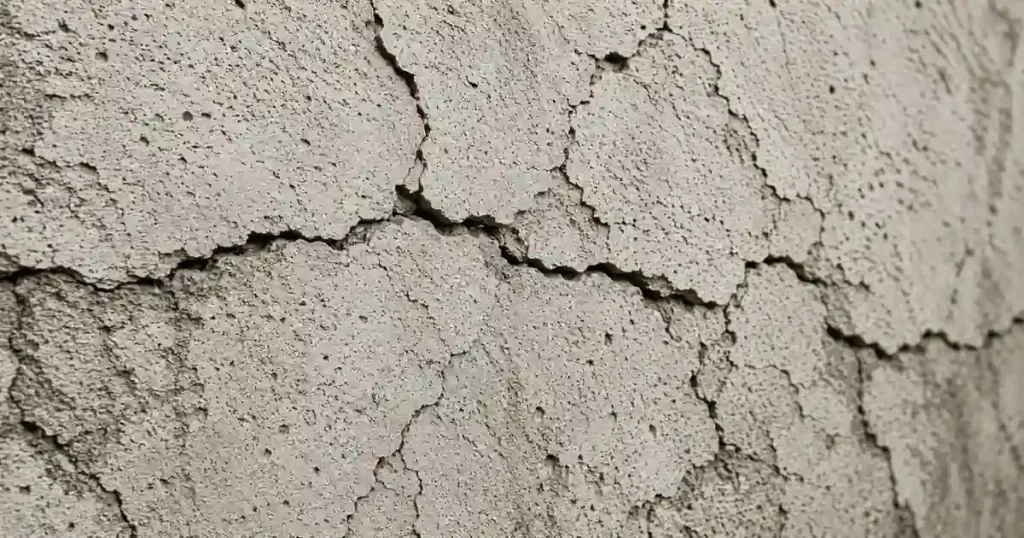
If you just noticed a crack running across your wall or your doors have started sticking out of nowhere, the first question that pops into your head is probably this: who is responsible for foundation problems, and more importantly, who pays for fixing them?
That fear is valid. Foundation issues in Texas are not rare, and they are rarely cheap. The answer depends on several things: what caused the damage, whether your home is under warranty, what your insurance policy covers, and whether you live in an HOA community. In Wichita Falls, Texas, where expansive clay soil shifts constantly with the seasons, these questions come up more than most homeowners expect.
This guide breaks it all down clearly: no legal jargon, no runaround. Just straight answers based on Texas law, contractor knowledge, and real-world scenarios.
Who Is Responsible for Foundation Problems in Texas?
Quick Answer: In Texas, responsibility for foundation problems depends on the cause. Homeowners are responsible for maintenance and neglect-related damage. Builders are liable for construction defects under Texas warranty law. HOAs cover shared foundations in condos and townhomes. Insurance applies only when a covered event, like a sudden plumbing failure, directly causes the damage.
Responsibility for foundation damage is not one-size-fits-all. It shifts depending on the cause, the property type, and the agreements in place at the time of purchase.
When Are Homeowners Responsible for Foundation Problems?
In most cases, the homeowner bears primary responsibility for foundation maintenance and repair. Once you close on a property, you take on the obligation to maintain it, including the foundation. If your foundation settles because you failed to water it during a dry Wichita Falls summer, that is on you.
Common homeowner-caused scenarios include:
- Ignoring early warning signs like sticking doors or diagonal wall cracks
- Poor yard grading that lets water pool near the foundation
- Overwatering or underwatering the soil around the perimeter
- Placing large trees too near the foundation slab
Texas courts generally treat foundation maintenance the same way they treat roof or HVAC maintenance: it is the homeowner’s duty unless another party is clearly at fault.
When Are Builders Responsible for Foundation Problems?
Direct Answer: Builders are responsible for foundation problems in new Texas homes when defective construction causes the damage. Under Texas law, builders must provide a 1-year workmanship warranty, a 2-year systems warranty, and a 10-year structural defect warranty.
If your home is newly constructed and foundation problems emerge quickly, the builder may carry liability. Texas law under the Residential Construction Liability Act (RCLA) gives homeowners specific rights when defective construction causes property damage.
So if you are asking who is responsible for foundation cracks in a new build, the builder is, as long as the damage falls within the warranty period and stems from construction defects rather than soil movement or owner neglect.
Keep all paperwork from your builder. If issues come up, provide written notice before taking legal action, as the RCLA requires this step first.
When Is the HOA Responsible for Foundation Problems?
In planned communities and condo developments, the HOA’s governing documents determine who handles foundation work. Typically:
- Single-family homes in HOA communities: The homeowner owns the foundation and is responsible for repair
- Condos and townhomes with shared walls: The HOA often covers shared structural elements, including foundations
- Common areas: Always the HOA’s responsibility
When Does Insurance Cover Foundation Damage?
Direct Answer: Standard Texas homeowners insurance does not cover foundation damage from soil movement or settling. Coverage may apply if a sudden event, like a burst pipe or tornado, directly causes the structural damage.
Most standard Texas homeowners’ insurance policies exclude damage caused by soil movement, settling, or shrinkage. However, coverage may apply when:
- A sudden plumbing leak causes the soil to shift and damage the foundation
- A covered peril (like a tornado or fire) directly causes structural damage
- You carry an endorsement specifically covering earth movement or water backup
Review your policy closely, especially if you are uncertain about what is included in your coverage. Visit Does Home Insurance Cover Foundation Repair in Texas? for a full breakdown.
Why Are Foundation Problems So Common in Texas Homes?
Direct Answer: Foundation problems are common in Texas because most of the state sits on expansive clay soil that swells when wet and shrinks when dry. This constant movement creates uneven pressure under slabs, leading to cracks, settlement, and structural damage over time.
Wichita Falls sits on one of the most challenging soil profiles in the country for homebuilding. If you have lived here long, you already know the ground cracks in August and turns to mud in February.
How Does Expansive Clay Soil Damage a Foundation?
Expansive clay soil is soil that absorbs water and swells in volume, then shrinks and contracts as it dries. North Texas, including Wichita Falls and the surrounding Wichita County area, is dominated by this soil type. That constant push-and-pull creates uneven pressure underneath your slab.
Over the years, this has led to:
- Foundation heave (upward movement caused by swelling soil)
- Differential settlement (one side of the slab sinks faster than the other)
- Cracking along interior walls and exterior brick
Why Does Moisture Fluctuation Cause Foundation Settlement?
The dry summers and wet winters in Wichita Falls create a cycle of soil expansion and contraction that never fully stabilizes. When the moisture level is inconsistent around your home’s perimeter, some sections of the slab gain support while others lose it, and that imbalance causes settlement.
A consistent watering routine around your foundation during drought periods can prevent thousands of dollars in damage.
What Destroys the Foundation of a House?
Direct Answer: The most common causes of foundation failure in Texas are expansive clay soil movement, under-slab plumbing leaks, poor drainage, inconsistent soil moisture, and tree root intrusion. Construction defects can also cause premature failure in newer homes.
Beyond soil movement, several specific conditions accelerate foundation failure in Texas homes.
Can a Plumbing Leak Cause Foundation Problems?
Yes. It is one of the most underdiagnosed causes of serious foundation damage. A slow leak beneath the slab saturates the soil unevenly, causing one section of the foundation to shift while others remain stable. This creates the classic signs: doors that will not close, floors that slope, and diagonal cracks near door and window frames.
If you suspect a leak under your slab, get a plumber to perform a pressure test before calling a foundation contractor. Fixing the foundation without fixing the plumbing means the problem returns.
Can Poor Drainage Damage a Foundation?
Yes. Water pooling against your foundation, whether from flat grading, clogged gutters, or downspouts that discharge too close to the structure, softens the soil and erodes the support beneath the slab over time.
Extend downspouts at least 6 feet from the house, regrade soil away from the structure, and make sure your yard does not have low spots that collect water.
Who Is Responsible for Foundation Problems After Buying a House?
Direct Answer: After closing on a home in Texas, the buyer is generally responsible for foundation maintenance going forward. However, if the seller knowingly concealed existing damage, the seller may be legally liable. Texas law requires sellers to disclose known material defects on the Seller’s Disclosure Notice.
This question carries significant weight, especially when buyers waive inspections. Knowing who is responsible for foundation problems after closing protects you from being blindsided.
Is It Illegal to Sell a House With Foundation Issues in Texas?
It is not illegal to sell a home with foundation problems in Texas. However, sellers are legally required to disclose known material defects, including foundation problems, on the Seller’s Disclosure Notice. Failing to disclose a known issue violates Texas real estate law and can expose the seller to legal liability.
“Not disclosed” and “unknown” are different things. If the seller was genuinely unaware of the problem, proving fraud is much harder.
What Should You Do if Foundation Problems Are Found After Closing?
If you discover foundation damage after closing, take these steps in order:
- Get a structural engineer’s report documenting the defect
- Review the Seller’s Disclosure Notice to see what was and was not claimed
- Consult a real estate attorney if you believe the seller knew and concealed the issue
- Check your home warranty if you purchased one at closing
Buyers who discover serious structural defects within the first year may be able to pursue the seller or their agent through the Texas Real Estate Commission (TREC) or civil litigation.
For professional repair evaluation, explore our foundation repair services to understand the scope and cost of repair before taking any next steps.
What Are the Signs That a Foundation Problem Is Serious?
Direct Answer: A foundation problem is serious when cracks are wide (over 1/4 inch), diagonal, or horizontal. A problem is also serious when multiple symptoms appear at once: sticking doors and windows, sloping floors, and matching cracks on interior and exterior walls.
Not every crack means catastrophe, but some signs demand immediate professional evaluation.
Which Foundation Cracks Are Dangerous?
| Crack Type | Likely Cause | Urgency |
|---|---|---|
| Horizontal cracks in walls | Lateral soil pressure | High: call immediately |
| Stair-step cracks in brick | Differential settlement | High |
| Diagonal cracks near doors/windows | Settlement or heave | Medium to High |
| Hairline vertical cracks | Normal curing or shrinkage | Low: monitor |
| Wide cracks (over 1/4 inch) | Active structural movement | High |
Can Foundation Problems Cause Roof Leaks?
Yes. When the foundation shifts, the entire frame of the house moves with it. This can pull the roof structure out of alignment, creating gaps in flashing, separating shingles, or cracking around chimneys. A stubborn roof leak can sometimes trace back to a foundation that has moved.
For a complete list of warning signs specific to North Texas homes, see 10 Signs of Foundation Problems in Wichita Falls Homes.
Who Is Responsible for Foundation Problems in Townhomes and Condos?
Direct Answer: In Texas condos and townhomes, the HOA is typically responsible for shared foundations and structural systems. Individual unit owners are responsible for damage that originates inside their unit. The CC&Rs define the exact split for each community.
This is one of the most legally complex scenarios in Texas real estate.
Can an HOA Force a Homeowner To Repair a Foundation?
Yes. If your CC&Rs assign foundation responsibility to the homeowner and you fail to maintain it, the HOA can issue violations, levy fines, and in some cases pursue legal action to compel repairs, especially if your problem threatens adjacent units.
Who Is Responsible for Foundation Problems in a Condo?
In a standard Texas condo arrangement:
- The HOA is typically responsible for the foundation, exterior walls, and shared structural systems
- The unit owner is responsible for everything inside their unit
- Disputes arise when damage originates inside a unit, such as a plumbing leak, but damages the shared foundation
Always request a copy of the HOA’s reserve fund study before buying a condo. It shows whether the association has funds set aside for major structural repairs.
Do All Houses Eventually Have Foundation Issues?
Direct Answer: Most homes in North Texas will experience some degree of foundation movement over time due to expansive clay soil. Not all of it becomes a structural problem, but the risk is significantly higher in Wichita Falls and Wichita County than in most parts of the country.
The real question is not whether movement will happen but whether it becomes serious enough to require repair.
What Is the Difference Between a Cosmetic and a Structural Foundation Crack?
Cosmetic crack: A surface-level crack that is narrow (under 1/8 inch), does not grow over time, and does not affect the structural integrity of the home. Common in both new and older homes, typically caused by normal concrete curing or minor soil shifts.
Structural crack: A crack that indicates the foundation itself has moved. These are wider, longer, often diagonal or horizontal, and accompanied by other symptoms: uneven floors, sticking doors, or gaps between walls and ceilings. Structural cracks require a professional evaluation.
When Should You Start Worrying About Foundation Settlement?
Worry when you notice more than one of these at the same time:
- Multiple doors or windows stick simultaneously
- Floors feel uneven or sloped underfoot
- Cracks appear on both interior and exterior walls in the same location
- You can see daylight under a door that once fit properly
- Your chimney is leaning or pulling away from the main structure
A single sticking door after a rainstorm is usually not cause for alarm. A pattern of symptoms across multiple areas of the home warrants a professional inspection.
How Much Does Foundation Repair Cost in Texas?
Direct Answer: Foundation repair in Texas typically costs between $2,000 and $15,000 or more, depending on the severity of the damage, the repair method, and the number of pier points required. Wichita Falls costs vary based on soil depth and site accessibility.
What Factors Affect Foundation Repair Costs?
- Extent of settlement: Minor settlement costs less than widespread differential movement
- Repair method: Pressed pilings, drilled piers, and foam injection each carry different price points
- Accessibility: Tight spaces around the home increase labor costs
- Number of piers needed: Each additional pier point adds to the total
Is Foundation Repair Covered by Insurance or a Builder’s Warranty?
Standard homeowners’ insurance rarely covers foundation repair from soil movement. Builder warranties may cover structural defects within the first 10 years. Some home warranty plans include limited structural coverage. Always verify before assuming.
For detailed cost breakdowns specific to Wichita Falls, read How Much Does Wichita Falls Foundation Repair Cost?
What Should You Do if You Notice Foundation Problems?
Direct Answer: If you notice foundation problems, start with a licensed structural engineer for an independent assessment. Then contact a foundation repair contractor for a repair estimate. Acting early costs significantly less than waiting for damage to worsen.
Should You Hire a Structural Engineer or a Foundation Contractor First?
Start with a structural engineer. They are independent professionals who provide an unbiased assessment of what is happening and why. A foundation contractor will also inspect, often for free, but their recommendation naturally leads toward repair work.
An engineer’s report carries more weight when filing an insurance claim, pursuing a builder’s warranty, or taking legal action against a seller.
What Happens During a Foundation Inspection?
A thorough foundation inspection includes:
- Elevation readings across the floor to map settlement patterns
- Exterior and interior crack assessment
- Drainage and grading evaluation
- Plumbing leak check (in some cases)
- A written report with findings and a recommended repair scope
How Are Foundation Problems Repaired?
Direct Answer: Foundation problems in Texas are most commonly repaired using steel push piers, helical piers, or pressed concrete pilings driven into stable soil beneath the slab. Mudjacking and foam injection address minor settling. The right method depends on soil conditions, severity of damage, and budget.
Texas foundation contractors most commonly use:
- Steel push piers or helical piers: Driven deep into stable soil to lift and stabilize the slab
- Pressed concrete pilings: A cost-effective option common in North Texas clay
- Mudjacking or foam injection: Raise sections of settled concrete by injecting material underneath
- Interior drainage systems: Used when water intrusion contributes to the problem
For a detailed look at repair methods and which one fits your situation, visit Foundation Repair Methods, Costs and Long-Term Solutions.
How Long Does Foundation Repair Take in Wichita Falls?
Most residential foundation repairs in Wichita Falls take 1 to 3 days for pier installation. More complex jobs may take up to a week. Interior finishing work, including patching cracks and rehanging doors, is handled separately and is typically completed by the homeowner or a general contractor.
Can Foundation Problems Come Back After Repair?
Yes, if the root cause is not addressed. If drainage still directs water toward the foundation, or a plumbing leak goes unrepaired, the soil will continue to move, and new settlement can occur. Ask your contractor specifically what the repair warranty covers, and for how long. If you need to stay in your home during the process, read Can You Live in a House During Foundation Repair? for a practical guide.
How Can You Prevent Foundation Problems in Texas?
Direct Answer: The most effective ways to prevent foundation problems in Texas are maintaining consistent soil moisture around the perimeter, improving yard drainage, keeping gutters clean, and fixing plumbing leaks immediately. In Wichita Falls, where summer heat regularly exceeds 100°F, soil moisture management is the single most important preventive step.
Prevention is far cheaper than repair.
What Are the Best Ways To Protect a Slab Foundation in Texas?
- Maintain consistent soil moisture: Use a soaker hose around the foundation perimeter during dry months
- Grade your yard away from the structure: Soil should slope down and away at a rate of 6 inches per 10 feet
- Clean gutters regularly: Clogged gutters overflow and dump water directly against the foundation
- Keep large trees at a safe distance: Tree roots pull moisture from the soil and cause shrinkage beneath the slab
- Fix plumbing leaks immediately: Even a slow drip under the slab causes cumulative damage over time
How Often Should a Foundation Be Inspected?
Most structural engineers recommend a professional foundation inspection every 3 to 5 years for homes in North Texas. Schedule one immediately if you notice warning signs, and within the first year if you are a new homeowner.
Can Foundation Problems Lower Your Home’s Value?
Direct Answer: Yes. Disclosed foundation issues reduce buyer confidence and typically result in a lower sale price or a demand for seller-funded repairs. Lenders may also refuse to approve a mortgage on a home with active structural problems.
Can You Sell a House With Foundation Problems in Texas?
You can sell a house with foundation problems, but you must disclose them. Some buyers, particularly investors, are comfortable purchasing at a reduced price. Selling to a buyer using traditional mortgage financing is harder, because lenders may decline to fund the loan on a structurally compromised home.
Should You Repair Foundation Damage Before Listing Your Home?
In most cases, yes. A completed and warrantied repair removes the structural stigma for buyers and their lenders. The cost of repair is often less than the price reduction you would otherwise absorb during negotiation.
When Should You Call a Foundation Repair Expert in Wichita Falls?
Wichita Falls homeowners deal with some of the most demanding soil conditions in Texas. The clay-heavy ground in Wichita County expands dramatically during wet springs and contracts just as aggressively during the long, dry summers. This seasonal movement is relentless, and it affects homes across every neighborhood, from Tanglewood to Broadmoor Acres.
If you have noticed cracks, uneven floors, sticking doors, or any of the warning signs covered in this guide, do not wait. Early intervention costs significantly less than repairs needed after years of unchecked movement.
foundation repair services near Wichita Falls are available through Fix Foundation Pros, serving homeowners across Wichita Falls and Wichita County with honest evaluations and proven repair methods. Whether you need an initial inspection or are ready to move forward with structural repair, the team is ready to help.

Frequently Asked Questions
Who Is Responsible for Foundation Problems in Texas?
In Texas, who is responsible for foundation problems depends entirely on the cause. Homeowners are generally responsible for maintenance-related issues. Builders may be liable for new construction defects under the RCLA, including a mandatory 10-year structural defect warranty. HOAs handle shared foundations in condos and townhomes. Insurance may cover foundation damage only when a sudden covered event, such as a burst pipe, is the direct cause.
Do All Houses Eventually Have Foundation Issues?
Most homes in North Texas will experience some degree of foundation movement due to expansive clay soil. Not all movement becomes a structural problem, but the risk is higher in Wichita Falls and surrounding Wichita County than in most of the country. Routine maintenance and periodic inspections reduce long-term risk significantly.
What Destroys the Foundation of a House?
The most common culprits in Wichita Falls are expansive clay soil movement, under-slab plumbing leaks, poor drainage, and inconsistent soil moisture. Tree root intrusion and construction defects also contribute in many cases.
Is It Illegal to Sell a House With Foundation Issues in Texas?
No. But Texas law requires sellers to disclose known material defects, including foundation problems, on the Seller’s Disclosure Notice. Knowingly concealing foundation damage exposes the seller to serious civil and legal liability.
Does Homeowners Insurance Cover Foundation Damage in Texas?
Standard homeowners’ insurance policies in Texas typically exclude foundation damage caused by soil movement, settling, or gradual deterioration. Coverage may apply if a sudden and accidental event, like a burst pipe, directly causes the damage. Review your policy or speak with your agent to confirm your specific coverage.