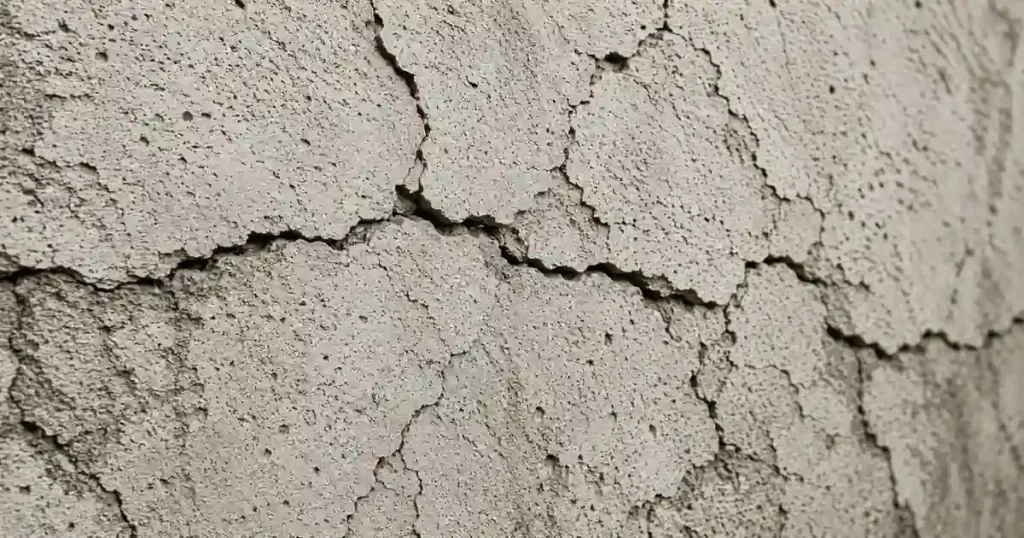
If you just noticed a crack running across your wall or your doors have started sticking out of nowhere, the first question that pops into your head is probably this: who is responsible for foundation problems, and more importantly, who pays for fixing them?
That fear is valid. Foundation issues in Texas are not rare, and they are rarely cheap. The answer depends on several things: what caused the damage, whether your home is under warranty, what your insurance policy covers, and whether you live in an HOA community. In Wichita Falls, Texas, where expansive clay soil shifts constantly with the seasons, these questions come up more than most homeowners expect.
This guide breaks it all down clearly: no legal jargon, no runaround. Just straight answers based on Texas law, contractor knowledge, and real-world scenarios.
Who Is Responsible for Foundation Problems in Texas?
Quick Answer: In Texas, responsibility for foundation problems depends on the cause. Homeowners are responsible for maintenance and neglect-related damage. Builders are liable for construction defects under Texas warranty law. HOAs cover shared foundations in condos and townhomes. Insurance applies only when a covered event, like a sudden plumbing failure, directly causes the damage.
Responsibility for foundation damage is not one-size-fits-all. It shifts depending on the cause, the property type, and the agreements in place at the time of purchase.
When Are Homeowners Responsible for Foundation Problems?
In most cases, the homeowner bears primary responsibility for foundation maintenance and repair. Once you close on a property, you take on the obligation to maintain it, including the foundation. If your foundation settles because you failed to water it during a dry Wichita Falls summer, that is on you.
Common homeowner-caused scenarios include:
- Ignoring early warning signs like sticking doors or diagonal wall cracks
- Poor yard grading that lets water pool near the foundation
- Overwatering or underwatering the soil around the perimeter
- Placing large trees too near the foundation slab
Texas courts generally treat foundation maintenance the same way they treat roof or HVAC maintenance: it is the homeowner’s duty unless another party is clearly at fault.
When Are Builders Responsible for Foundation Problems?
Direct Answer: Builders are responsible for foundation problems in new Texas homes when defective construction causes the damage. Under Texas law, builders must provide a 1-year workmanship warranty, a 2-year systems warranty, and a 10-year structural defect warranty.
If your home is newly constructed and foundation problems emerge quickly, the builder may carry liability. Texas law under the Residential Construction Liability Act (RCLA) gives homeowners specific rights when defective construction causes property damage.
So if you are asking who is responsible for foundation cracks in a new build, the builder is, as long as the damage falls within the warranty period and stems from construction defects rather than soil movement or owner neglect.
Keep all paperwork from your builder. If issues come up, provide written notice before taking legal action, as the RCLA requires this step first.
When Is the HOA Responsible for Foundation Problems?
In planned communities and condo developments, the HOA’s governing documents determine who handles foundation work. Typically:
- Single-family homes in HOA communities: The homeowner owns the foundation and is responsible for repair
- Condos and townhomes with shared walls: The HOA often covers shared structural elements, including foundations
- Common areas: Always the HOA’s responsibility
What Causes Foundation Problems in Texas?
The most common causes of foundation failure in Texas are expansive clay soil movement, under-slab plumbing leaks, and poor drainage. If you want to understand how weather and soil mechanics cause structural movement, read our guide on what causes foundation damage in Texas clay soil.
Who Is Responsible for Foundation Problems After Buying a House?
Direct Answer: After closing on a home in Texas, the buyer is generally responsible for foundation maintenance going forward. However, if the seller knowingly concealed existing damage, the seller may be legally liable. Texas law requires sellers to disclose known material defects on the Seller’s Disclosure Notice.
This question carries significant weight, especially when buyers waive inspections. Knowing who is responsible for foundation problems after closing protects you from being blindsided.
Is It Illegal to Sell a House With Foundation Issues in Texas?
It is not illegal to sell a home with foundation problems in Texas. However, sellers are legally required to disclose known material defects, including foundation problems, on the Seller’s Disclosure Notice. Failing to disclose a known issue violates Texas real estate law and can expose the seller to legal liability.
“Not disclosed” and “unknown” are different things. If the seller was genuinely unaware of the problem, proving fraud is much harder.
What Should You Do if Foundation Problems Are Found After Closing?
If you discover foundation damage after closing, take these steps in order:
- Get a structural engineer’s report documenting the defect
- Review the Seller’s Disclosure Notice to see what was and was not claimed
- Consult a real estate attorney if you believe the seller knew and concealed the issue
- Check your home warranty if you purchased one at closing
Buyers who discover serious structural defects within the first year may be able to pursue the seller or their agent through the Texas Real Estate Commission (TREC) or civil litigation.
For professional repair evaluation, explore our foundation repair services to understand the scope and cost of repair before taking any next steps.
When Should You Evaluate Foundation Symptoms?
Not every crack means catastrophe, but some signs demand immediate professional evaluation. For a complete breakdown of when a symptom indicates a cosmetic issue versus active structural failure, refer to the 10 signs of foundation problems in Wichita Falls homes.
Who Is Responsible for Foundation Problems in Townhomes and Condos?
Direct Answer: In Texas condos and townhomes, the HOA is typically responsible for shared foundations and structural systems. Individual unit owners are responsible for damage that originates inside their unit. The CC&Rs define the exact split for each community.
This is one of the most legally complex scenarios in Texas real estate.
Can an HOA Force a Homeowner To Repair a Foundation?
Yes. If your CC&Rs assign foundation responsibility to the homeowner and you fail to maintain it, the HOA can issue violations, levy fines, and in some cases pursue legal action to compel repairs, especially if your problem threatens adjacent units.
Who Is Responsible for Foundation Problems in a Condo?
In a standard Texas condo arrangement:
- The HOA is typically responsible for the foundation, exterior walls, and shared structural systems
- The unit owner is responsible for everything inside their unit
- Disputes arise when damage originates inside a unit, such as a plumbing leak, but damages the shared foundation
Always request a copy of the HOA’s reserve fund study before buying a condo. It shows whether the association has funds set aside for major structural repairs.
What Should You Do if You Notice Foundation Problems?
Direct Answer: If you notice foundation problems, start with a licensed structural engineer for an independent assessment. Then contact a foundation repair contractor for a repair estimate. Acting early costs significantly less than waiting for damage to worsen.
Should You Hire a Structural Engineer or a Foundation Contractor First?
Start with a structural engineer. They are independent professionals who provide an unbiased assessment of what is happening and why. A foundation contractor will also inspect, often for free, but their recommendation naturally leads toward repair work.
An engineer’s report carries more weight when filing an insurance claim, pursuing a builder’s warranty, or taking legal action against a seller.
Can Foundation Problems Lower Your Home’s Value?
Direct Answer: Yes. Disclosed foundation issues reduce buyer confidence and typically result in a lower sale price or a demand for seller-funded repairs. Lenders may also refuse to approve a mortgage on a home with active structural problems.
Can You Sell a House With Foundation Problems in Texas?
You can sell a house with foundation problems, but you must disclose them. Some buyers, particularly investors, are comfortable purchasing at a reduced price. Selling to a buyer using traditional mortgage financing is harder, because lenders may decline to fund the loan on a structurally compromised home.
Should You Repair Foundation Damage Before Listing Your Home?
In most cases, yes. A completed and warrantied repair removes the structural stigma for buyers and their lenders. The cost of repair is often less than the price reduction you would otherwise absorb during negotiation.
When Should You Call a Foundation Repair Expert in Wichita Falls?
Wichita Falls homeowners deal with some of the most demanding soil conditions in Texas. The clay-heavy ground in Wichita County expands dramatically during wet springs and contracts just as aggressively during the long, dry summers. This seasonal movement is relentless, and it affects homes across every neighborhood, from Tanglewood to Broadmoor Acres.
If you have noticed cracks, uneven floors, sticking doors, or any of the warning signs covered in this guide, do not wait. Early intervention costs significantly less than repairs needed after years of unchecked movement.
foundation repair services near Wichita Falls are available through Fix Foundation Pros, serving homeowners across Wichita Falls and Wichita County with honest evaluations and proven repair methods. Whether you need an initial inspection or are ready to move forward with structural repair, the team is ready to help.